


MARBLE
Your Professional MARBLE Supplier
JINJIANG JINLEI STONE CO.,LTD which is established in 1998, have more than ten years old. Located Fujian province-Yonghe Sishizhu industrial. We have two processing factory, and it covers 35 thousand square meters. Being one of the biggest granite manufacturers and exporters, Middle-east, Asia are the main area of exporting.The punctually delivery with good quality help us gain the worldwide customer.


Why choose us
Quality Assurance
We have 100% quality guarantee to customers. We will be responsible for any quality problem.
Bespoke service
Us provide a bespoke service that allowed customers to design their own furniture pieces tailored to their specific desires.Tailored to your wood or stone project needs and preferences.
Creative Design
Our designers design practical and visually impressive furniture to customer requirements. They will attain your dream by utilizing precision through taking in modern, classic, and avant-garde.
Best Service
Customer's satisfaction is our top one pursuit, we try our best to fulfill the consumers' demand better.Your inquiries related to our products and prices will be replied in detail within 24 hours.
MARBLE
Marble is an extremely hard, metamorphic stone composed of calcite (CaCO3). It is formed as a result of the recrystallization of limestone under the intense pressure and heat of geologic processes. The effect of this process is the creation of a stone with a very tight crystalline structure and small but definite porosity. Because of its structure, marble can take a very high polish and is a very popular decorative stone for architectural and sculptural uses. The limited porosity of marble, especially polished marble, makes it less vulnerable to the leaching effects of water. Calcium carbonate, however, of which marble is composed, is highly susceptible to attack by acidic agents. Marble is readily dissolved by acids, even very dilute acids, however the actual results of acidic exposure will vary with the nature of the acid. Chlorides, nitrates, sulfates and other chemical compounds react differently with marble and produce various by-products, which have a wide range of solubility and impact on the durability of marble. For this reason, it is always important to determine the exact type of pollutants causing marble deterioration.
|
Material: |
Marble slabs,tiles |
|
|
Surface Finish: |
Polished, honed, antique,sandblasted,bush hammered, etc. |
|
|
Available size |
Big slab: |
2400up x 1200up/2400up x 1400up ,Thickness: 15/18/20/30mm |
|
Tile: |
305 x 305mm, 305 x 610mm,400 x 400mm,610 x 610mm, etc. Thickness 10mm |
|
|
12" x 12", 12"x 24", 16" x 16",18" x18", 24" x24" etc. Thickness 3/8" |
||
|
Cut-to-size: |
300 x 300mm, 300 x 600mm, 400 x 600mm,600 x 600 mm etc. Thickness 15mm, 18mm,20mm,30mm and thickness can be customized |
|
|
12" x12", 12" x24",16" x 24",24" x 24", Thickness 3/5", 3/4", 1 1/4" and thickness can be customized |
||
The Pros of Marble
Timeless Aesthetic Appeal
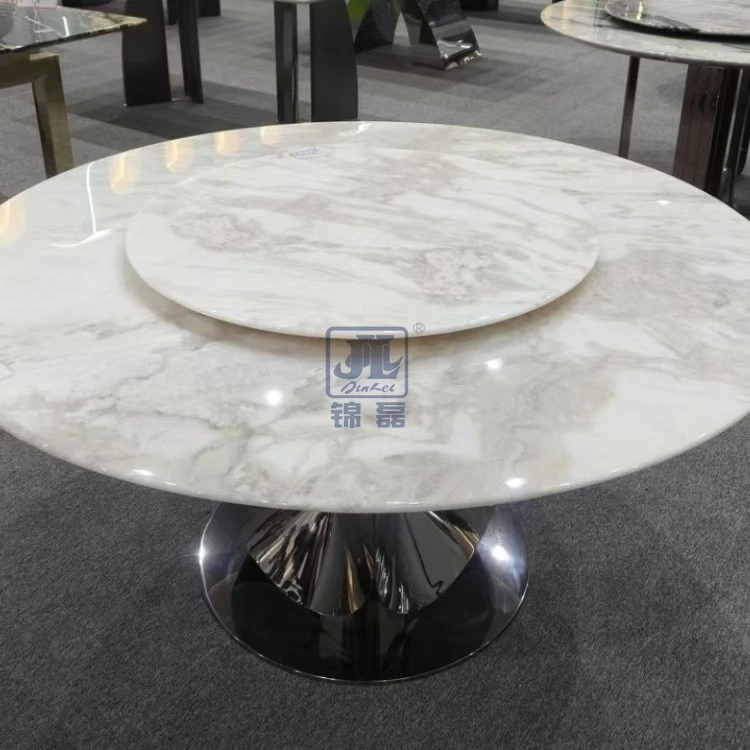
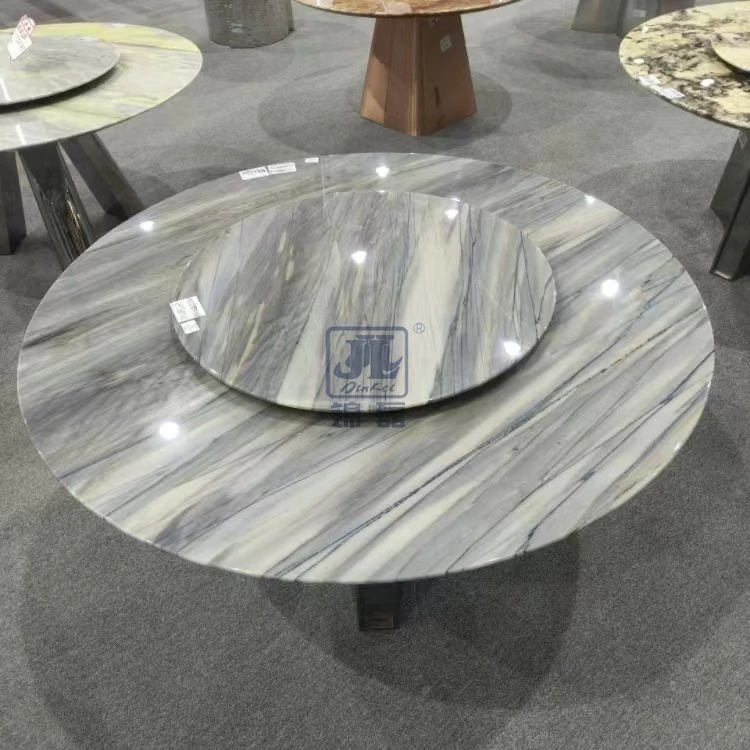
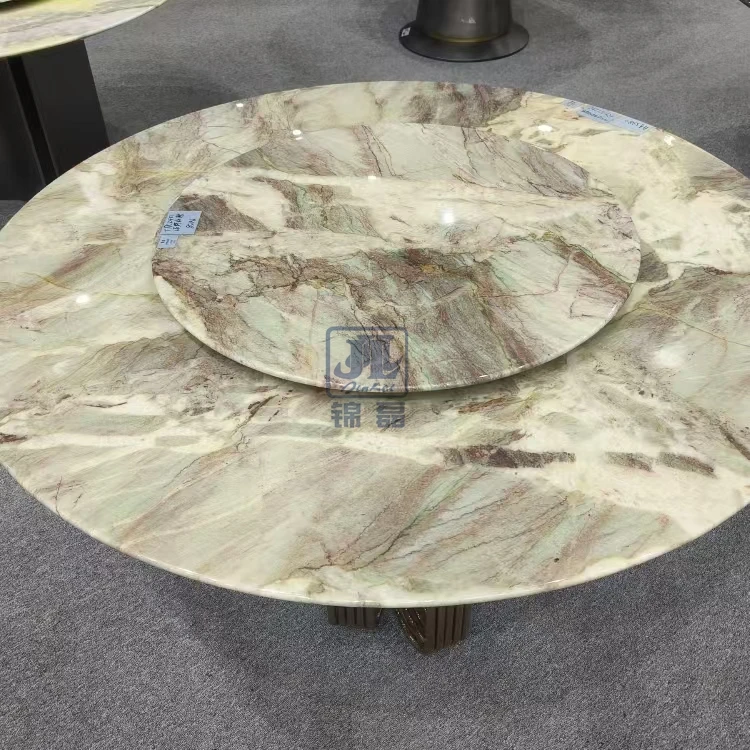
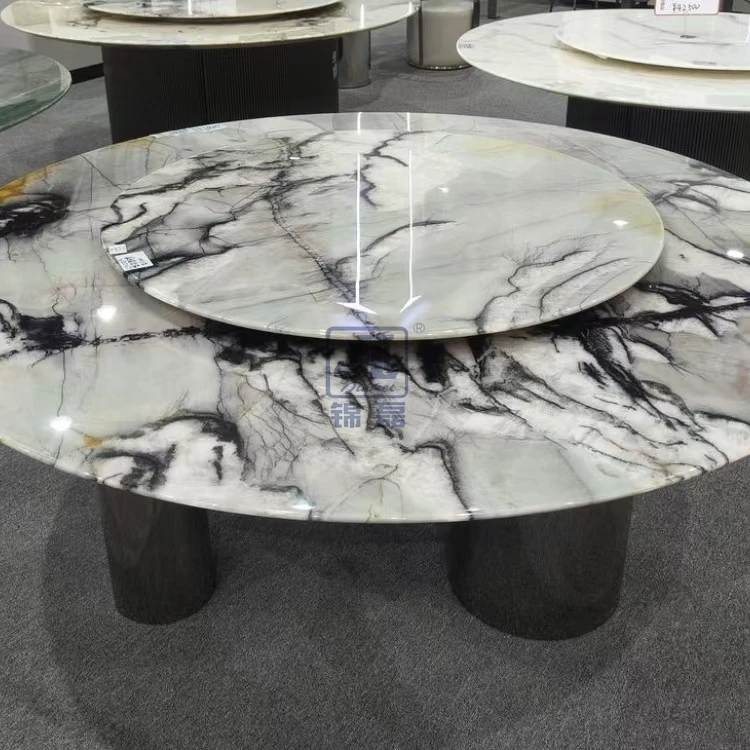
One of the most significant advantages of marble is its timeless beauty. The natural veining and wide range of colors make it a versatile material that can complement various design styles, from classic to contemporary. Marble has a luxurious appearance that can elevate the overall look of any space, making it a popular choice for countertops and even walls.
Durability
Despite its soft appearance, marble is a durable stone that can withstand a significant amount of wear and tear. When properly sealed and maintained, marble surfaces can last for decades, making them a long-term investment for your home. Marble is especially popular in high-traffic areas like kitchens and bathrooms, where its durability is put to the test. However, it’s essential to note that while marble is durable, it is not indestructible. It can scratch and etch if not cared for properly, but with the right precautions, marble can maintain its beauty and functionality for many years.
Heat Resistance
Marble is naturally heat-resistant, making it an excellent choice for kitchen countertops and fireplaces. It can withstand high temperatures without being damaged, which is why it’s often used in areas where hot pots, pans, and dishes are frequently placed. This heat resistance also makes marble a popular choice for fireplace surrounds and hearths, where it can handle the heat from a roaring fire.
Adds Value to Your Home
Installing marble in your home can increase its resale value. Buyers often associate marble with luxury and high-end finishes, making it an attractive feature for potential buyers. Whether you’re planning to sell your home in the near future or simply want to invest in its long-term value, marble can be a smart choice.
Cool Surface
Marble has a naturally cool surface, making it ideal for warm climates or areas where you want a refreshing touch, such as a kitchen or bathroom. The coolness of marble can also be beneficial for bakers, as the stone provides an excellent surface for rolling out dough and working with pastry.
Types of marble
Crystalline limestone marbles: These are pure marbles (i.e. without fossils) and generally composed of larger crystals. You can find them both white and colored.
Cryptocrystalline limestone marbles: Their crystalline structure is less marked than the previous type of marble and they are generally quite colorful.
Clastic marbles: Tragments of rocks, cemented fossils as well as siliceous or calcareous materials are visible in the texture.
Serpentine marbles: Green colored marbles whose name derives from a particular group of minerals called the serpentine group which is mixed with limestone. Sometimes, it is possible to find them in darker shades close to blue or yellow based on which mineral of serpentine group is present in the majority within the marble.
Marble Uses
Architecture
Marble is a commonly preferred material in architectural projects. It is used in flooring, wall coverings, staircases, columns, windows, and doors. The various color and pattern options of marble provide architects and designers with a wide range of creative possibilities.
Interior Decoration
Marble adds a sophisticated and luxurious touch to interior spaces. It is frequently used in areas such as kitchen countertops, bathroom sinks, shower enclosures, and floorings. The natural patterns of marble enhance the elegance of any space while providing a durable surface.
Sculpture and Art Pieces
Artists and sculptors have been using marble for centuries to create art pieces. The workability and aesthetic appeal of marble have played a significant role in the creation of famous sculptures and art masterpieces.
Monuments and Statues
Historical monuments and memorial structures are often made of marble. The durability and ability to age beautifully make marble an ideal choice for such constructions. Famous monuments symbolize historical events and individuals while providing a visual spectacle.
Characteristics of Marble
Hardness and Durability
Marble’s relative hardness is a significant factor in its application. While softer than granite, it is sufficiently hard to withstand a considerable amount of wear and tear. This medium hardness also makes it more amenable to carving and shaping, a quality highly prized by sculptors throughout history. Its durability ensures longevity, particularly in interior settings, making it a favored material for buildings and monuments.
Texture
Marble is known for its smooth texture and crystalline structure that can range from fine to coarse, depending on the size of the crystals formed during the metamorphic process. This smoothness is not just tactile but also translates to a visual softness, making marble surfaces highly desirable for their aesthetic appeal.
Color Variability
Pure marble is typically white, but it can come in a range of colors. This variability is due to the presence of various impurities such as iron, graphite, or organic residues in the original limestone or dolomite. These impurities can impart a wide spectrum of colors to marble, from pinks and reds to greens and blacks, adding to its decorative versatility.
Veining
One of the most distinctive features of marble is its veining, which results from the presence of mineral impurities. These veins are formed during the metamorphic process when impurities are mobilized and recrystallized within the stone. The patterns created are unique to each marble slab, making every piece one-of-a-kind.
Light Transmission
An often-overlooked characteristic of marble, especially varieties like white Carrara, is its translucency. Some thinner slabs of marble can transmit light, giving them a slightly glowing appearance when backlit. This quality has been utilized in various architectural applications to create stunning visual effects.
Acid Sensitivity
Marble is composed mainly of calcium carbonate, which reacts with acidic substances. This reaction can lead to etching or dulling of the marble’s surface, a consideration important in its maintenance and use, especially in areas prone to exposure to acidic substances like kitchen countertops.
Heat Resistance
Marble has good heat resistance properties, which makes it a popular choice for fireplace surrounds and hearthstones. However, its heat resistance is not as high as granite’s, so care should be taken with very hot items.
Porosity
Despite its solidity, marble is a porous material. This porosity means it can absorb liquids, leading to staining if not properly sealed. This characteristic is particularly relevant for marble used in kitchens and bathrooms.

Marble’s creation process usually occurs where different tectonic plates converge. These areas are exposed to a lot of pressure as the plates converge.
Moreover, it is also where the earth’s crust is exposed to immense heat. These two occurrences form the perfect conditions for the creation of metamorphic rock. Marble can also form by contacting adjacent limestone heated by hot magma.
Limestone contains calcite, formed from fossil material and biological remnants before undergoing the metamorphic process. However, during the process, it becomes recrystallized, and the formation of the stone changes.
Limestone before the metamorphism has very small crystal formations; as it transforms, the crystals grow larger and larger. This differentiation makes it easier to know if certain pieces of marble have been exposed to low or high levels of metamorphism.
Formation and Composition of Marble
Temperature: Marble generally forms at temperatures ranging from about 500 to 800 degrees Celsius (930 to 1470 degrees Fahrenheit). These temperatures are typically achieved at depths of 15 to 30 kilometers (9 to 19 miles) in the Earth’s crust.
Pressure: Alongside temperature, significant pressure is required for the formation of marble. This pressure usually ranges from 1.5 to 2.5 gigapascals. The pressure helps in recrystallizing the rock, altering its texture and composition.
Convergent Plate Boundaries: Large areas of Earth’s crust at these boundaries are subjected to intense heat and pressure, leading to regional metamorphism.
Contact Metamorphism: This occurs when a hot magma body heats adjacent limestone or dolostone. This type of metamorphism is also common at convergent plate boundaries but can happen wherever there is an intrusion of magma.
How to Identify Marble

Cool Temperature
Marble remains cool to the touch.
Veining Patterns
Unique, often intricate vein designs are a hallmark.
Acid Reaction
Marble effervesces in contact with dilute hydrochloric acid due to its calcium carbonate content.
Hardness Test
It can be scratched with a metal blade, distinguishing it from harder stones like granite.
FAQ
We're well-known as one of the leading marble manufacturers and suppliers in China. Please feel free to wholesale customized marble at competitive price from our factory. Good service and quality products are available.